






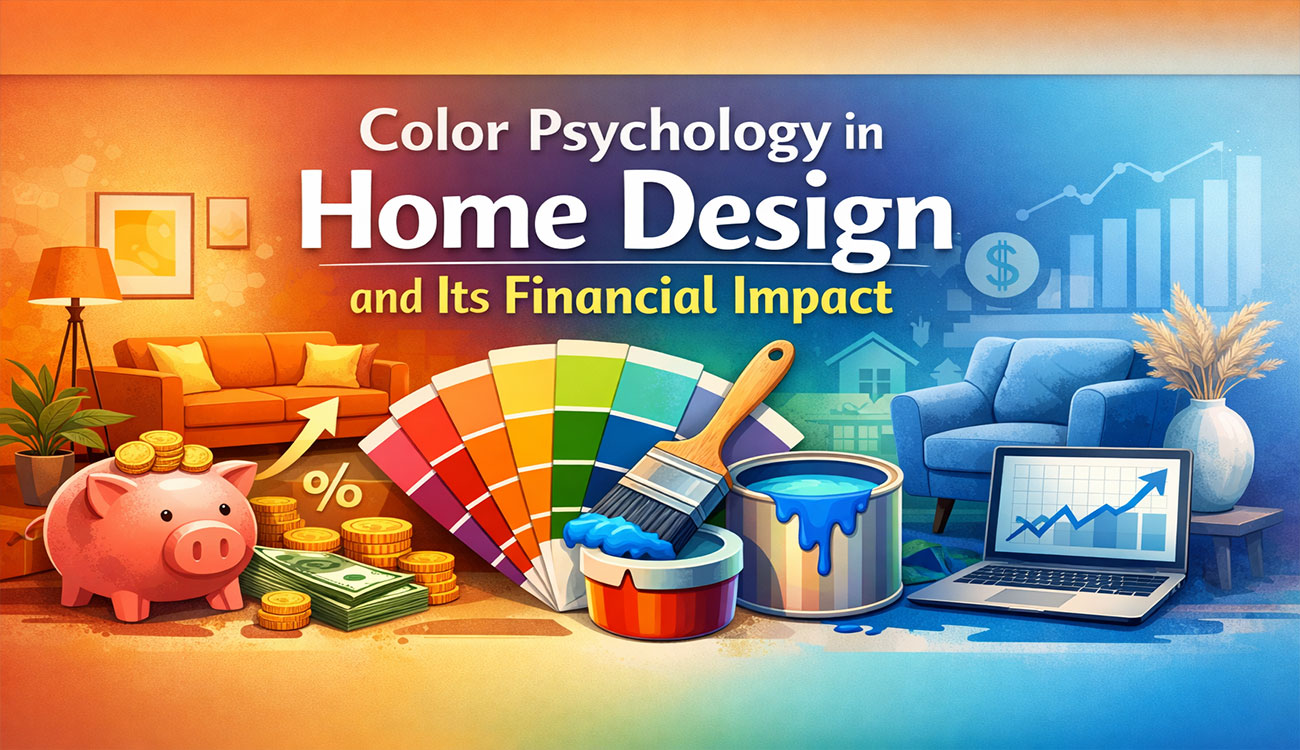
Color is not just an aesthetic choice in home design—it profoundly influences mood, perception, and even financial outcomes. Color psychology, the study of how colors affect human behavior, has gained traction among interior designers, real estate developers, and homeowners seeking both comfort and value appreciation. Understanding color psychology is critical not only for creating a harmonious living environment but also for making strategic decisions that can affect a property’s rental demand, resale value, and overall marketability.
Homes are more than structures; they are experiences. Every color choice, from wall paint to furnishings, contributes to the emotional and psychological response of occupants. For instance, warm colors like reds and oranges evoke energy and social interaction, while cool colors like blues and greens create a calming and restorative atmosphere. These subtle emotional cues can influence how long residents stay in a home, how they interact with their space, and even the likelihood of recommending or renting the property.
The Psychological Impact of Colors in Different Spaces
Living Room
The living room is often the most social area of a home. Colors here should encourage conversation, warmth, and inclusivity. Shades of beige, taupe, or soft yellows create a welcoming environment, while pops of vibrant color through cushions or artwork can energize the space. Psychologically, homes with well-planned living room color schemes are perceived as more inviting, which can positively influence potential buyers or tenants during property viewings.
Bedroom
Bedrooms require tranquility and comfort. Blues and soft greens are ideal for inducing relaxation and sleep, which are essential for well-being. Neutral tones like grays or pastel shades also work well, providing a backdrop that encourages rest and personal expression. From a financial perspective, bedrooms that feel serene and well-balanced are more appealing to homebuyers, increasing the likelihood of faster sales and higher property value.
Kitchen
The kitchen is a functional and often social space, and colors here impact appetite and energy. Warm colors like yellows, oranges, and certain reds stimulate appetite and create a lively atmosphere. Conversely, darker or muted colors can make the space feel smaller or less energetic. Developers and interior designers who understand these subtleties can enhance the perceived usability of a kitchen, potentially improving the property’s attractiveness in competitive markets.
Bathroom
Bathrooms are associated with cleanliness, freshness, and rejuvenation. Cool tones like aqua, white, and light gray evoke a sense of cleanliness and calm. Accents of brighter colors can be used strategically to make the space feel modern and luxurious. The visual appeal and perceived hygiene of bathrooms can directly influence both rental demand and resale value, as these are often critical factors for tenants and buyers evaluating a property.
Home Office
With remote work becoming increasingly prevalent, home offices are crucial. Colors such as light blues, greens, and neutrals improve focus, productivity, and concentration. Accent colors like yellow or orange can stimulate creativity without being overwhelming. In high-demand rental markets, properties with thoughtfully designed workspaces attract premium tenants and contribute to higher rental yields.
How Colors Affect Perceived Space and Value
Color can manipulate perception of space and dimensions. Light colors make rooms appear larger and more open, which is especially important in urban apartments or compact homes. Darker colors can create intimacy but may make a room feel smaller. By leveraging color psychology strategically, developers can make smaller units feel more spacious and luxurious, thereby enhancing marketability and financial returns.
Neutral palettes tend to have the broadest appeal, especially in the real estate market, because they provide a blank canvas that allows buyers to visualize their own furniture and décor. This flexibility often translates into higher sale prices and quicker transactions. On the other hand, bold and highly personalized color choices may limit the potential buyer or tenant pool, potentially affecting occupancy and resale timelines.
Color Trends and Marketability
Current color trends play a significant role in financial outcomes. For example, globally, earthy tones, muted pastels, and minimalist monochromatic schemes have gained popularity. Properties adhering to contemporary color trends are perceived as modern and updated, which increases attractiveness and reduces time on the market. Conversely, outdated color schemes can make even structurally sound homes seem dated, affecting both rental demand and resale value.
Developers who incorporate trend-aligned color schemes often see faster absorption rates, as the visual appeal resonates with buyers and tenants who prioritize aesthetics as well as functionality. Strategic color use in model homes and show flats can be particularly effective, allowing prospective buyers to envision a lifestyle rather than just a physical space.
Financial Implications of Color Psychology
Rental Demand
Properties with thoughtfully applied color schemes attract tenants more quickly and can command higher rents. For example, a bright and airy apartment with neutral walls, contrasting accent features, and well-considered room colors is likely to stand out among competing rental listings. Tenants are psychologically drawn to spaces that feel balanced, modern, and conducive to their lifestyle, which directly translates into increased rental income.
Resale Value
A home that appeals to a broad demographic through careful color selection is more likely to sell quickly and at a premium. Neutral and contemporary color schemes enhance the perceived value of the property and reduce the need for immediate renovations or repainting by buyers. Homes with colors that are out of sync with current trends may require additional investment by buyers, which can lower final sale prices or extend the time the property remains on the market.
Home Staging and Marketing
Professional staging using color psychology can significantly enhance marketability. By aligning colors with desired emotional responses—warm tones for social areas, calming shades for bedrooms, energetic accents for functional spaces—developers and realtors can create compelling narratives that resonate with buyers and tenants. This not only improves the likelihood of higher offers but also optimizes marketing efforts by presenting the property in its best visual context.
Energy Efficiency and Practical Considerations
Colors also have subtle financial implications through energy efficiency. Lighter colors reflect more natural light, potentially reducing the need for artificial lighting and lowering electricity costs. While the effect may be marginal, combined with psychological appeal, it contributes to the overall perception of a well-thought-out home, which can influence both rent and sale price.
Case Studies and Examples
Studies have shown that homes with neutral color palettes consistently achieve higher rental and resale values. For instance, model homes in premium residential complexes with light-colored walls, pastel accents, and strategically placed contrasting elements attract tenants faster and achieve higher asking rents compared to units with outdated or overly personalized color choices.
Similarly, homes that incorporate trending colors such as muted greens or earthy browns in living spaces and kitchens are often perceived as contemporary and well-maintained. Buyers are willing to pay a premium for such units, recognizing that minimal changes would be required before moving in or renting out.
Conclusion
Color psychology is more than an aesthetic tool—it is a strategic instrument that can impact both emotional well-being and financial outcomes in real estate. Thoughtful application of color in home design affects tenant satisfaction, rental demand, perceived value, and resale potential. By aligning colors with psychological principles, market trends, and spatial functionality, homeowners, developers, and investors can maximize the attractiveness and profitability of a property.
Investing in professional guidance for color selection, staying updated with trends, and understanding the target demographic can yield tangible financial benefits. From creating tranquil bedrooms to energizing living areas and functional home offices, color choices influence both lifestyle satisfaction and the bottom line.
Horizon Property Advisory
Looking to invest in properties with optimized design and color strategies that maximize rental returns and resale value? Horizon provides expert guidance and curated opportunities to help you make informed, profitable decisions.


