
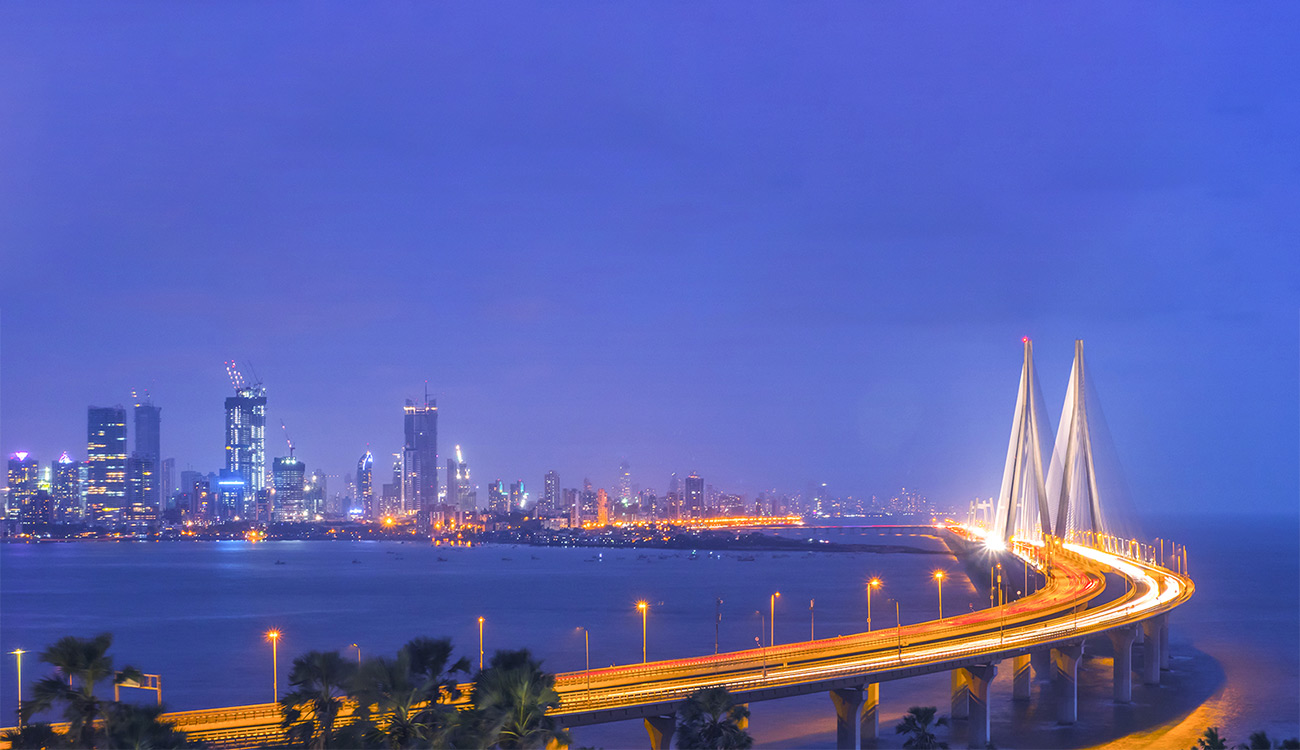
Mumbai, India’s financial capital, is constantly evolving. With a booming real estate market and increasing demand for better connectivity, major infrastructure projects are reshaping the city’s landscape in 2025. From metro expansions to coastal roads, these developments are creating new residential and commercial hubs.
Here’s a comprehensive look at the top upcoming infrastructure projects in Mumbai and how they impact property and lifestyle.
Mumbai Metro – Phase 2 & Phase 3
- Overview: Mumbai Metro is expanding to connect suburbs with key business districts and reduce traffic congestion.
- Key Highlights:
- Phase 2: Dahisar East to Mandala / Mankhurd, improving connectivity in Western & Eastern suburbs
- Phase 3: Colaba-Bandra-SEEPZ corridor, connecting South Mumbai with major commercial hubs
- Modern stations, automation, and integrated feeder services
- Phase 2: Dahisar East to Mandala / Mankhurd, improving connectivity in Western & Eastern suburbs
- Impact on Real Estate: Areas near metro stations like Bandra, Dadar, and SEEPZ will see increased demand and property appreciation.
Mumbai Coastal Road Project
- Overview: A 29.2 km coastal road linking South Mumbai to Western Suburbs for faster commuting.
- Key Highlights:
- Six-lane elevated expressway along Marine Drive
- Reduced travel time from South Mumbai to Bandra by nearly 30–40 minutes
- Landscaping, pedestrian zones, and cycling tracks
- Six-lane elevated expressway along Marine Drive
- Impact on Real Estate: Localities along the Western Express Highway and Bandra-Kurla region are expected to experience higher residential and commercial interest.
Navi Mumbai International Airport (NMIA)
- Overview: Navi Mumbai Airport is under development to handle international and domestic air traffic.
- Key Highlights:
- Passenger terminal, cargo facilities, and advanced runway systems
- Expected to boost real estate in Panvel, Ulwe, and surrounding nodes
- Passenger terminal, cargo facilities, and advanced runway systems
- Impact on Real Estate: Properties near Ulwe, Nerul, and Panvel are projected to increase in value due to proximity to the airport.
Mumbai Trans Harbour Link (MTHL)
- Overview: A 22 km bridge connecting Sewri in Mumbai to Nhava in Navi Mumbai.
- Key Highlights:
- Reduces travel time between Mumbai and Navi Mumbai from 60–90 minutes to 20–30 minutes
- Designed for both commuters and cargo transport
- Reduces travel time between Mumbai and Navi Mumbai from 60–90 minutes to 20–30 minutes
- Impact on Real Estate: Eastern suburbs, Navi Mumbai nodes, and industrial hubs will see rapid real estate development and commercial growth.
Metro Connectivity in Navi Mumbai
- Overview: Navi Mumbai Metro is being expanded to cover CBD Belapur, Kharghar, Taloja, and Panvel.
- Key Highlights:
- Multi-line metro system with modern, eco-friendly trains
- Integration with local trains and buses
- Multi-line metro system with modern, eco-friendly trains
- Impact on Real Estate: Areas like Kharghar, Panvel, and Taloja are becoming prime residential destinations for IT professionals and airport employees.
Flyovers, Expressways, and Smart Roads
- Overview: Mumbai is building several flyovers, elevated roads, and smart streets to improve intra-city connectivity.
- Key Highlights:
- Jogeshwari-Vikhroli Link Road (JVLR) expansion
- Andheri-Kurla Road flyovers
- Smart traffic management and pedestrian-friendly zones
- Jogeshwari-Vikhroli Link Road (JVLR) expansion
- Impact on Real Estate: Suburbs like Andheri, Ghatkopar, and Powai are becoming more accessible, increasing demand for apartments and premium homes.
Smart City and Urban Development Projects
- Overview: Mumbai is being upgraded under smart city initiatives to enhance urban infrastructure and livability.
- Key Highlights:
- IoT-based traffic management
- Smart lighting, waste management, and CCTV surveillance
- Integration with metro, suburban trains, and buses
- IoT-based traffic management
- Impact on Real Estate: Central Mumbai and smart urban corridors are more desirable for residents and investors, increasing long-term property appreciation.
Key Takeaways
- Infrastructure projects in Mumbai are reducing commute time, improving connectivity, and modernizing urban living.
- Metro, coastal roads, airport expansion, and smart city initiatives are directly impacting residential and commercial real estate prices.
- Suburbs near metro lines, coastal roads, and Navi Mumbai nodes are prime investment zones for 2025.
Final Thoughts
Mumbai’s infrastructure development in 2025 is creating a modern, well-connected, and investment-friendly city. Homebuyers and investors who understand upcoming projects can strategically choose areas for maximum appreciation and convenience.
At Horizon PropTech, we help clients identify high-potential residential and investment properties near Mumbai’s upcoming infrastructure projects, ensuring 0% brokerage and expert guidance.👉 Looking for the best properties near Mumbai’s new infrastructure developments? [Connect with Horizon today]
