










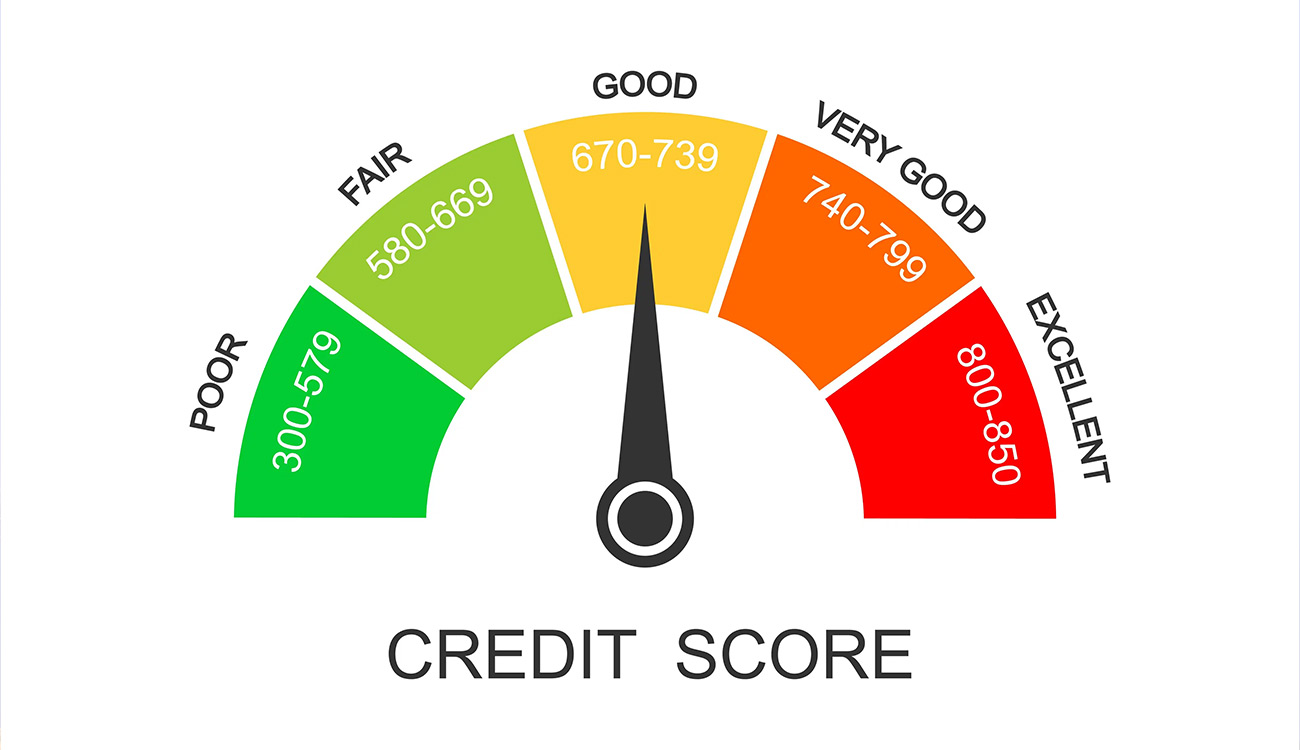
Managing finances goes beyond earning and spending — it’s about building a solid financial identity. One of the most crucial elements of that identity is your credit score. For today’s young professionals, understanding how this number works can open doors to better loans, housing options, and even career opportunities.
🔍 What Exactly Is a Credit Score?
A credit score is a three-digit indicator of your credit reliability, typically ranging between 300 and 900 in India. It’s calculated using your credit card usage, loan repayment behavior, and overall borrowing history.
A higher number signals trustworthiness, assuring lenders that you’re a responsible borrower who repays on time — making it easier to access credit whenever you need it.
Why Maintaining a High Credit Score Matters
1️⃣ Easier Loan Approvals
Banks and financial institutions prefer applicants with good credit behavior. A strong score improves your chances of approval for home loans, personal loans, or auto financing.
2️⃣ Lower Interest Rates
A healthy record gives you leverage to negotiate better interest rates, helping you save significantly over time.
3️⃣ Smooth Rental Approvals
Many landlords check credit reports to ensure tenants can pay rent regularly and responsibly.
4️⃣ Professional Edge
Certain employers, especially in finance or government roles, may review credit reports to gauge accountability and financial discipline.
5️⃣ Higher Credit Card Limits
Strong credit performance often leads to enhanced limits, attractive rewards, and premium card offers from issuers.
What Is a “Smart Guide” for Young Professionals?
A Smart Guide is your roadmap to financial success — it combines awareness, discipline, and consistent action. By following a few strategic habits, you can steadily build a reputation for financial reliability that benefits you in every aspect of life.
How to Strengthen Your Credit Score
Here’s how young professionals can develop a healthy credit profile:
✅ Always Pay on Time: Late payments have the biggest negative impact on your score. Set reminders or automate your bills.
✅ Spend Within Limits: Try to keep your credit utilization under 30% of your total available limit.
✅ Limit Credit Applications: Frequent requests for new credit can reduce your score. Apply only when necessary.
✅ Start Small, Build Steady: Even a basic credit card or small personal loan, when managed well, helps establish a consistent repayment track record.
✅ Review Credit Reports Regularly: Check for inaccuracies or fraudulent activities and get them corrected quickly.
Final Thoughts
Your credit score is the mirror of your financial responsibility — it influences everything from loan eligibility to employment opportunities. For young earners, nurturing a solid score early ensures long-term financial confidence and stability.
At Horizon, we believe that financial literacy empowers individuals to make better decisions — whether it’s managing debt, improving credit health, or planning your first home purchase.
✨ Build your credit smartly today, and your future self will thank you tomorrow.


