


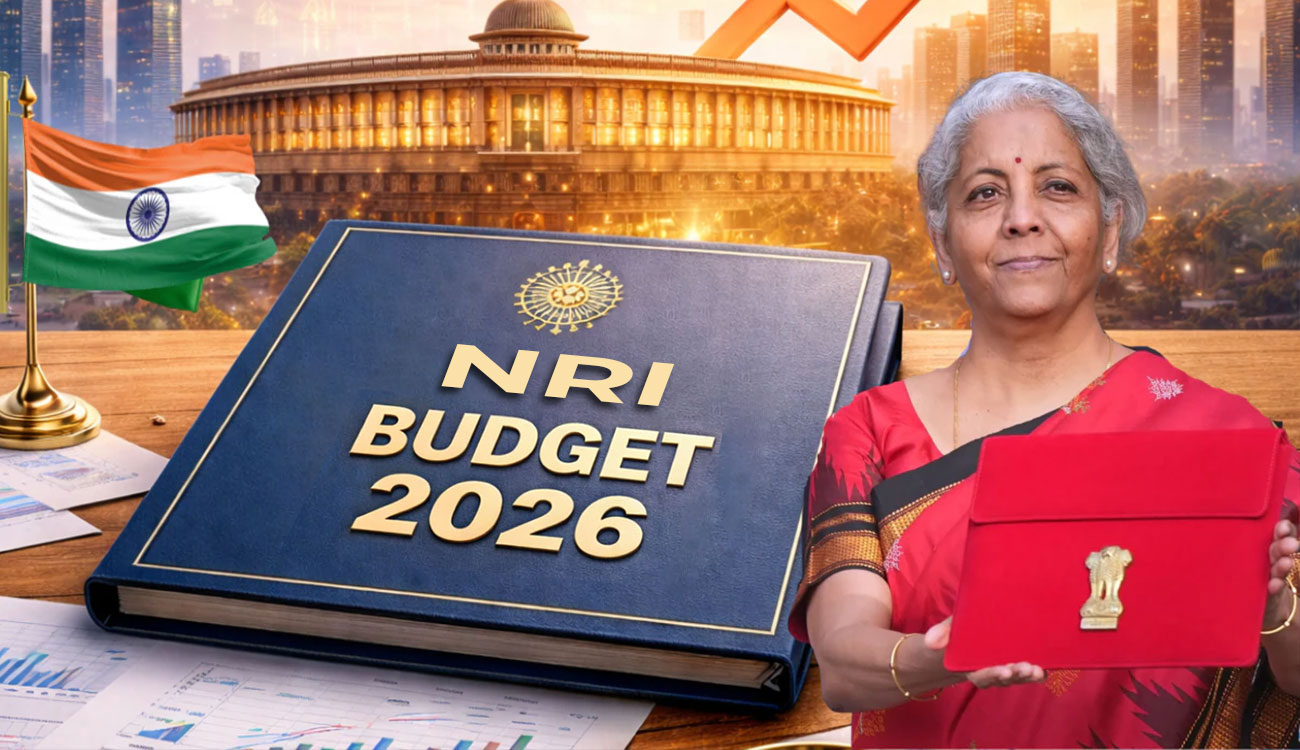
Why Budget 2026 Matters for NRI Property Owners
Non-Resident Indians (NRIs) are among the largest investors in Indian real estate. Whether for long-term investment, rental income, or future return plans, property ownership in India remains a preferred asset class.
However, taxation—especially capital gains tax—continues to be the biggest concern for NRIs.
Budget 2026 did not radically overhaul capital gains taxation, but it clarified, streamlined, and tightened compliance around NRI property transactions. Understanding these changes is crucial to avoid excess tax, penalties, or repatriation issues.
This blog explains what changed, what stayed the same, and how NRIs should plan property sales after Budget 2026.
Understanding Capital Gains Tax for NRIs (Basics)
Capital gains tax applies when an NRI sells property in India at a price higher than the purchase value.
Two Types of Capital Gains:
- Short-Term Capital Gains (STCG)
- Long-Term Capital Gains (LTCG)
The holding period determines which category applies.
Holding Period Rules (No Change but Stronger Enforcement)
For Immovable Property:
- Short-term: Held for less than 24 months
- Long-term: Held for more than 24 months
Budget 2026 reinforces documentation and reporting to prevent misclassification of holding periods.
Long-Term Capital Gains (LTCG) for NRIs After Budget 2026
Tax Rate (Unchanged):
- 20% with indexation benefits
What Indexation Means:
Indexation adjusts the purchase price for inflation, reducing taxable gains.
Impact:
NRIs continue to benefit significantly from LTCG taxation when holding property for more than 2 years.
LTCG Example
- Purchase price (2018): ₹80 lakh
- Sale price (2026): ₹1.4 crore
- Indexed cost: ₹1.05 crore
- Taxable gain: ₹35 lakh
- Tax @20%: ₹7 lakh (+ cess)
Short-Term Capital Gains (STCG) for NRIs
Tax Rate:
- Added to total income
- Taxed as per applicable income slab
For NRIs in higher income brackets, STCG can be significantly expensive.
Budget 2026 Message:
Encourages longer holding periods to reduce speculative transactions.
TDS on Property Sale by NRIs: Key Focus of Budget 2026
One of the most important areas Budget 2026 indirectly addresses is TDS compliance.
Current TDS Rates (Continued):
- 20% TDS on LTCG
- 30% TDS on STCG
- Plus surcharge & cess
Key Clarification:
TDS is deducted on entire sale value, not just gains—unless a Lower TDS Certificate is obtained.
This remains the biggest cash-flow challenge for NRIs.
Lower TDS Certificate: More Important Than Ever
Budget 2026 emphasizes correct TDS deduction and encourages NRIs to apply for Lower or Nil TDS Certificates under Section 197.
Benefits:
- TDS deducted only on actual capital gains
- Avoids large fund blockage
- Improves repatriation ease
Capital Gains Exemptions for NRIs (No Withdrawal in Budget 2026)
Good news—all major capital gains exemptions remain available to NRIs.
Key Sections:
- Section 54: Reinvestment in another residential property
- Section 54EC: Investment in capital gain bonds (₹50 lakh limit)
- Section 54F: Investment in residential house from sale of non-residential asset
Budget 2026 continues to support reinvestment-led tax savings.
Repatriation of Sale Proceeds After Budget 2026
NRIs can repatriate:
- Up to USD 1 million per financial year
- Subject to tax compliance and documentation
Budget 2026 tightens reporting requirements but does not reduce repatriation limits.
Impact on NRI Investors vs End-Users
NRI Investors:
- LTCG remains attractive
- Rental-yield properties preferred
- Compliance becomes more critical
NRI End-Users:
- Long-term holding rewarded
- Tax planning essential before sale
What Did NOT Change in Budget 2026 (Important Clarity)
 No increase in LTCG tax rate No removal of indexation No new property-specific tax for NRIs No restriction on reinvestment exemptions
This stability is a positive signal for NRI real estate confidence.
Common Mistakes NRIs Must Avoid After Budget 2026
- Ignoring TDS planning
- Selling before 24 months
- Not applying for lower TDS certificate
- Poor documentation of purchase cost
- Delaying tax filings
How Horizon Helps NRIs Save Capital Gains Tax
Navigating NRI taxation requires precision, planning, and compliance.
Horizon Supports NRIs With:
Capital gains tax planning Lower TDS certificate assistance Reinvestment strategy guidance Property sale & repatriation support Direct developer investments (0% brokerage)
 Selling or investing in Indian property as an NRI? Talk to Horizon for expert tax-efficient real estate planning.
Final Verdict: Capital Gains Tax for NRIs After Budget 2026
Budget 2026 does not penalize NRIs—but it demands better compliance and smarter planning.
NRIs who:
- Hold property long-term
- Plan reinvestments
- Manage TDS proactively
will continue to enjoy strong post-tax returns from Indian real estate.