


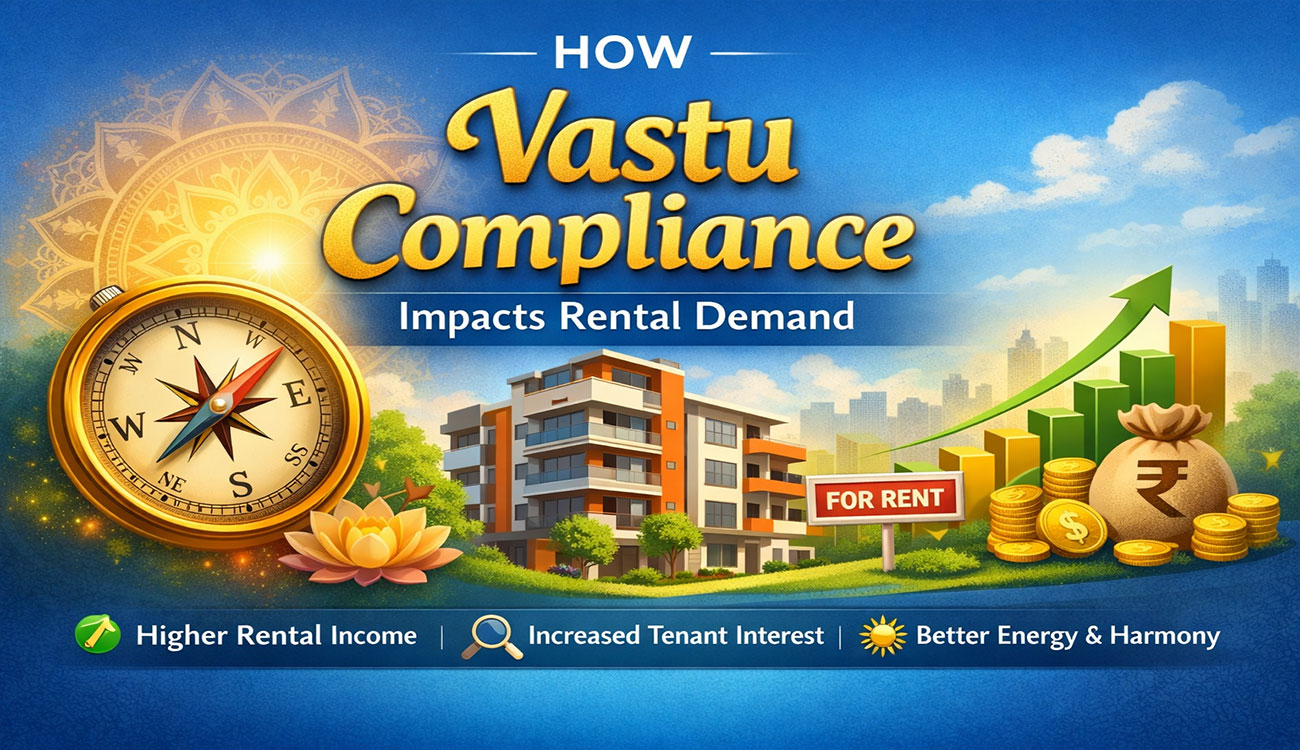
In India, Vastu Shastra has long influenced property buying and rental decisions. While historically seen as a traditional architectural practice, its impact on rental demand is now increasingly measurable, particularly in urban and premium markets where tenants are discerning, lifestyle-conscious, and culturally aware.
This comprehensive blog explores how Vastu compliance affects rental properties, tenant preferences, market trends, and investor decisions. It provides detailed insights for homebuyers, tenants, investors, and developers who want to leverage Vastu principles for maximizing rental returns.
Understanding Vastu Shastra
Vastu Shastra is an ancient Indian system of architecture and design that seeks harmony between human dwellings and natural energies. It is based on principles that align structures with the five elements (earth, water, fire, air, and space) and cardinal directions, aiming to promote:
- Positive energy flow
- Health and well-being
- Financial prosperity
- Social harmony and mental peace
Vastu influences decisions related to:
- Room placement and orientation
- Positioning of doors, windows, and staircases
- Location of kitchens, bedrooms, and bathrooms
- Internal layout and furniture positioning
Modern real estate has integrated Vastu not just for cultural reasons but as a market-driven factor that enhances property desirability and rental potential.
The Psychology Behind Vastu and Rental Choices
1. Tenant Comfort and Mental Peace
Tenants perceive Vastu-compliant spaces as more balanced and stress-free. The alignment of rooms, windows, and entrances impacts natural light, ventilation, and spatial flow, which contributes to psychological comfort and well-being.
2. Cultural and Traditional Preferences
Even in cosmopolitan cities, many tenants—especially families—consider Vastu a non-negotiable factor. Compliance affects tenant choice, rental negotiations, and long-term occupancy.
3. Perceived Prosperity and Energy Flow
Vastu is associated with:
- Career growth and financial stability
- Health benefits for residents
- Positive household energy
Tenants often choose Vastu-compliant properties, believing they bring long-term prosperity and harmony.
4. Influence on Decision-Making
Surveys and market observations suggest that Vastu-compliant homes are often booked faster than similar non-compliant units, even when located in the same area and priced similarly.
How Vastu Compliance Affects Rental Demand
1. Higher Rental Premiums
Properties following Vastu principles often command 5%–20% higher rent depending on location, unit type, and market demand. Tenants are willing to pay a premium for perceived well-being and energy alignment.
2. Lower Vacancy Rates
Vastu-compliant properties attract serious, long-term tenants. These homes experience quicker occupancy and fewer vacancies, reducing the holding cost for investors.
3. Longer Lease Tenure
Tenants satisfied with the living environment tend to renew leases, ensuring stable cash flow for property owners.
4. Enhanced Market Reputation
Developers and landlords offering Vastu-compliant properties gain a stronger brand image, as tenants associate them with quality, thoughtful planning, and tenant-centric design.
Key Vastu Principles That Influence Rental Demand
1. Entrance Direction
- North or East facing entrances are considered auspicious
- Influences tenant perception of prosperity and positivity
2. Bedroom Placement
- Master bedrooms in the southwest corner
- Enhances rest, privacy, and overall comfort
3. Kitchen Orientation
- Southeast is ideal; northwest acceptable
- Important for health, energy, and financial well-being
4. Living Room and Common Areas
- East or north-facing living rooms maximize natural light and positive energy flow
- Tenants prioritize spacious and well-ventilated areas
5. Bathrooms and Toilets
- Avoid southwest or northeast placements
- Correct placement prevents negative energy perceptions among tenants
6. Balconies and Open Spaces
- East or north-facing balconies enhance ventilation and sunlight
- Attracts tenants looking for recreational and serene spaces
7. Staircase and Internal Circulation
- Placement avoiding center of the house is preferred
- Ensures energy flow is uninterrupted and positive
8. Placement of Study, Pooja, and Meditation Rooms
- Northeast corners for pooja/meditation rooms
- Enhances spiritual and mental well-being, appealing to family tenants
Vastu Compliance vs Other Tenant Priorities
While location, amenities, and pricing remain fundamental, Vastu compliance can act as a differentiating factor:
- A Vastu-compliant 2BHK in a prime location may rent faster than a non-compliant 3BHK in the same area
- Within the same budget, tenants often prefer Vastu-compliant units, making them easier to rent and maintain occupancy
- Compliance also reduces disputes related to energy flow, noise, and light distribution
Investor Perspective: Why Vastu Matters
Benefits of Investing in Vastu-Compliant Properties
- Higher rental yield due to premium and quality tenants
- Lower vacancy periods and consistent cash flow
- Greater tenant retention due to satisfaction and belief in well-being
- Enhanced resale value as market demand for Vastu-aligned properties grows
Risks of Ignoring Vastu
- Longer vacancy periods in competitive markets
- Reduced rental income compared to compliant properties
- Difficulty attracting family tenants in culturally aware urban areas
Horizon Insight
Investors who incorporate Vastu considerations in property selection often achieve better long-term financial outcomes and tenant satisfaction.
Market Evidence and Trends
- In cities like Mumbai, Pune, and Bengaluru, Vastu compliance has become a key marketing point for developers
- Surveys indicate that over 60% of tenants consider Vastu before renting
- Projects emphasizing Vastu see faster occupancy and higher rental premiums, particularly in family-oriented residential complexes
Horizon Advisory Tip
Even in modern high-rise apartments, subtle layout optimizations can improve Vastu compliance, enhancing rental appeal without structural changes.
Practical Steps for Investors and Landlords
- Check Directional Orientation: Ensure entrances, rooms, and kitchens align with Vastu principles
- Floor Plan Verification: Review layouts for bedroom, living area, and balcony placement
- Consult Vastu Experts: Minor adjustments in interiors or furniture can enhance compliance
- Understand Tenant Preferences: Research whether target tenants value Vastu
- Incorporate Vastu in Marketing: Highlight compliance to attract premium tenants and justify rental rates
- Balance Modern Amenities with Vastu: Integrate natural light, ventilation, and ergonomic layouts without violating Vastu principles
Conclusion
Vastu compliance has emerged as a strategic factor in rental demand, not just a cultural preference. Tenants are increasingly seeking homes that provide comfort, positivity, and well-being. Investors and landlords who consider Vastu in property selection and design can benefit from:
- Faster tenant acquisition
- Higher rental income
- Reduced vacancy and higher lease renewal rates
- Long-term investment security and value appreciation
By aligning properties with Vastu principles, developers and investors tap into cultural relevance and psychological comfort, creating both financial and lifestyle value.
Horizon Advisory
If you want to invest in Vastu-compliant properties with strong rental potential, Horizon curates verified listings and provides end-to-end advisory to maximize rental yield and occupancy. Connect with our experts for a confidential consultation.